Integrated H Beam Production Line Systems: How Hualian Serves Structural Steel in India and Saudi Arabia
SHENZHEN, GUANGDONG, CHINA, September 29, 2026 /EINPresswire.com/ -- An integrated H beam production line connects
Press Release Disclaimer: This is a press release distributed through the XPR Media network. It has not been independently verified by our newsroom.
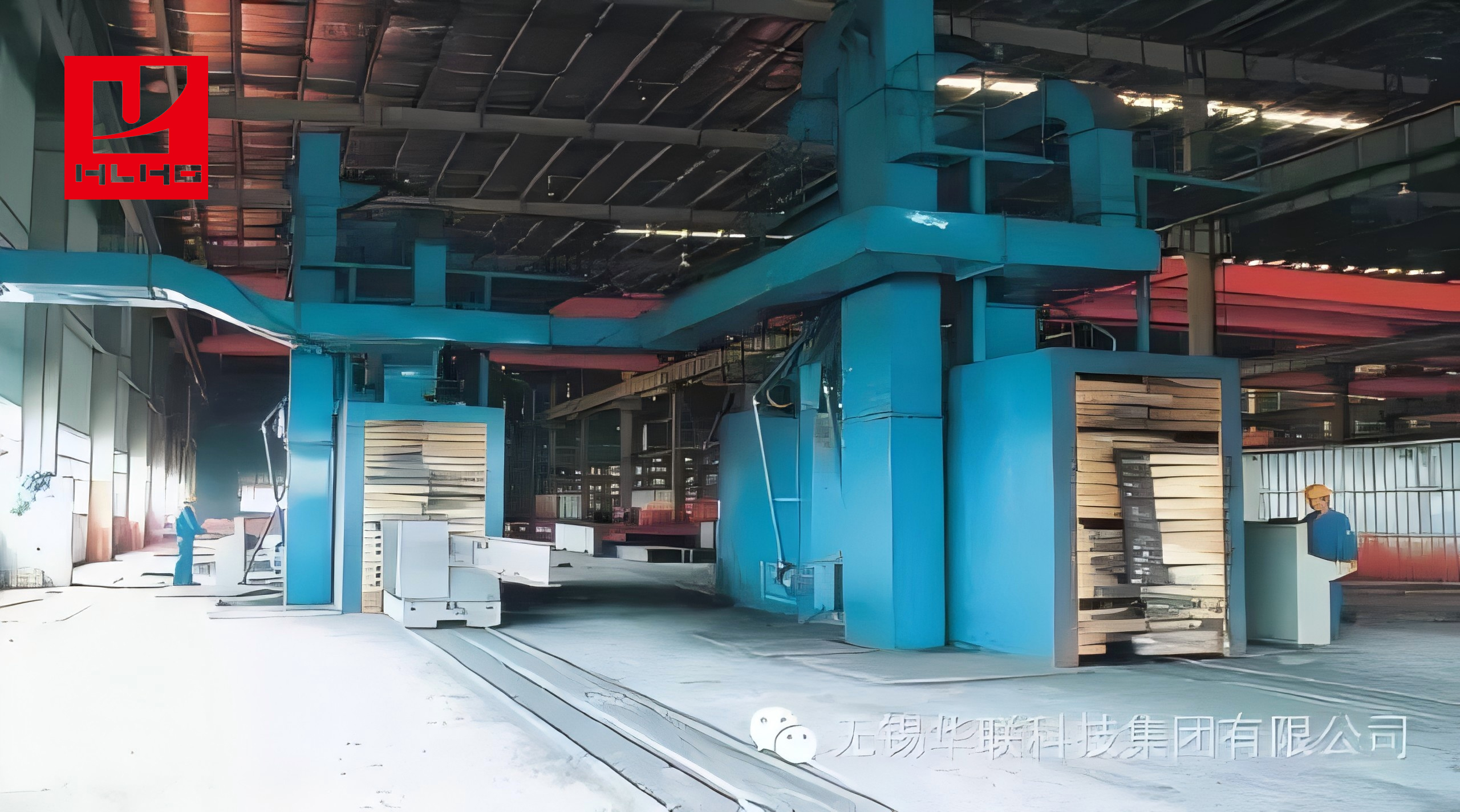

SHENZHEN, GUANGDONG, CHINA, September 29, 2026 /EINPresswire.com/ — An integrated H beam production line connects plate preparation, section assembly, dual-side submerged arc welding, and mechanical flange straightening into a synchronized manufacturing flow. Designing turnkey heavy structural systems since 1987, Wuxi Hualian Science & Technology Group—marketed worldwide under the brand Hualian, engineers integrated H-beam fabrication routes. For expanding structural steel fabricators across India and Saudi Arabia, successful equipment procurement hinges on defining the line boundary. Buyers must determine which operations enter the automated line, which tasks remain offline, and how site facilities connect the equipment to prevent costly commissioning bottlenecks.
An H beam production line is a route, not a machine count
A structural steel production route transforms raw flame-cut web and flange plates into finished load-bearing members. Thermal cutting establishes plate edge squareness. Specialized fit-up equipment positions members under hydraulic clamping pressure. Submerged arc welding joins the elements with deep, uniform penetration. Downstream mechanical straightening then corrects residual angular distortion. Hualian configures equipment combinations encompassing hydraulic assembly machines, gantry or cantilever submerged arc welders, chain-driven 180-degree turnover stations, roller conveyors, and hydraulic straighteners. Fabricators can also integrate high-throughput shot blasting cells to prepare steel surfaces for protective paint coatings.
Procuring an extensive machinery catalog does not guarantee high shop throughput. True manufacturing completeness depends on whether the proposed material route fulfills specific fabrication drawings, structural steel grades, and project delivery schedules. When individual workstations operate in isolation, material bottlenecks inevitably emerge at lifting and transfer zones. Linking operations via powered roller conveyors ensures that workpieces flow smoothly from initial fit-up through final inspection.
Geometry and orientation connect the core operations
Accurate initial assembly establishes the mechanical relationship required for high-speed welding. Fit-up clamping systems must maintain web centering and flange perpendicularity across full profile lengths. Dimensional tolerances at the tacking stage directly determine root gap consistency, prevent weld burn-through, and stabilize arc travel during subsequent welding passes. If web-to-flange alignment drifts by more than one millimeter, subsequent fillet weld deposits become asymmetrical. This imbalance intensifies residual thermal stress, causing severe camber and twist across the completed beam.
Turning changes the welding access
Motorized turning equipment rotates the assembled H-beam to present opposing seams in the horizontal fillet position. Downhand welding allows fabricators to deposit large weld beads rapidly using heavy wire diameters without risking puddle roll-over or incomplete penetration. Turnover units must support moving structural members across multiple support cradles without inducing excessive plastic sag. Workshop designers must allocate adequate swing clearance for the full workpiece length, ensuring safe clearance from building columns, electrical drops, and overhead crane hooks. Relying on overhead bridge cranes to flip partially welded beams introduces severe safety hazards and damages flange edges. Dedicated chain turning machines eliminate crane rigging delays, protecting both workers and structural workpieces.
Correction and finishing serve different purposes
Intense thermal cycles from submerged arc welding produce unavoidable angular distortion across steel flanges. Heavy-duty hydraulic flange straighteners mechanically restore distorted flange plates to precise perpendicular alignment using adjustable forged rollers. Flange correction addresses geometric conformance independently from subsequent surface treatment. Downstream centrifugal shot blasting removes mill scale, welding slag, and surface rust, establishing an anchor profile required for marine or industrial coatings. Fabricators must plan offline buffer zones for non-destructive ultrasonic testing before releasing welded members for surface blasting. Separating geometric verification from blast cleaning ensures that any necessary weld repairs occur before surface profiling. This sequence prevents abrasive blast media from contaminating open weld defects or masking surface fissures.
Let the production mix define the line boundary
Evaluating beam production requirements begins with categorizing representative structural section families. Designing a line around single maximum dimensions often results in underutilized capital expenditure. Facilities producing standardized building columns require continuous, rapid travel speeds with minimal changeover downtime. Conversely, workshops manufacturing tapered crane girders or custom architectural trusses require versatile clamping tooling and adaptable welding carriages. Fabricators should define web heights from 200 mm to 1,500 mm, flange widths up to 800 mm, and steel grades including S355 and ASTM A572.
Documenting project volume splits allows engineering teams to identify which profiles can share an automated roller conveyor line. Irregular sections or extra-heavy bridge girders can be routed through auxiliary crane-served fitting beds, preserving uninterrupted flow on the main line. A balanced production plan ensures that ninety percent of recurring tonnages travel smoothly through automated stations, while specialized manual bays handle complex custom weldments.
Define the site responsibilities for India and Saudi Arabia
Installing heavy beam production lines across India and Saudi Arabia requires clear division of scope between the equipment builder and the buyer. Fabricators must prepare concrete foundations capable of supporting dynamic machine loads, traveling gantries, and stored raw steel plates. Electrical engineering teams must verify shop transformer capacity, install power stabilization units, and provide adequate plant ventilation. The equipment manufacturer supplies core processing machinery, hydraulic power packs, digital welding power sources, centralized electrical control panels, and safety interlocks. The supplier also delivers mechanical layout drawings, anchor bolt locations, foundation pit dimensions, and electrical termination schematics.
The buyer provides workshop bays, reinforced concrete slabs, overhead cranes, main electrical distribution panels, compressed air networks, and raw steel materials for commissioning. Joint activities encompass foundation verification, mechanical leveling, dry-cycle testing, live trial welding, parameter qualification, and structured maintenance training for local operational crews. Clarifying these contractual battery limits during preliminary engineering prevents disputes over utility drops, pneumatic piping, and foundation rail grouting. Foundations must incorporate isolated machine pads beneath heavy hydraulic straightening presses to absorb cyclic vibration forces without fracturing surrounding bay flooring. Grouting under conveyor rail baseplates must utilize non-shrink epoxy compounds to maintain level transit across full seventy-meter spans.
Build the Hualian configuration discussion around the delivered beam
A productive equipment consultation begins with concrete structural steel beam drawings and defined acceptance criteria. Engineering teams must review required weld throat sizes, non-destructive testing benchmarks, monthly tonnage goals, and available workshop bay space. Fabricators should supply complete weld detail sheets, showing whether joints demand full penetration or specified fillet leg lengths. Clear acceptance standards ensure that delivered machinery fulfills applicable building codes without unnecessary equipment over-specification.
Structural steel fabricators and EPC contractors in India and Saudi Arabia can submit project specifications, steel grades, and workshop drawings directly to https://www.hualianoversea.com/. Hualian assists clients in configuring tailored H-beam fabrication routes that deliver consistent structural quality and long-term operating reliability.
Wuxi Hualian Science & Technology Group
Hualian
email us here
Visit us on social media:
YouTube
Legal Disclaimer:
EIN Presswire provides this news content “as is” without warranty of any kind. We do not accept any responsibility or liability
for the accuracy, content, images, videos, licenses, completeness, legality, or reliability of the information contained in this
article. If you have any complaints or copyright issues related to this article, kindly contact the author above.

Media gallery